


International roundtable in Belgrade marks two decades since Slobodan Milošević’s death
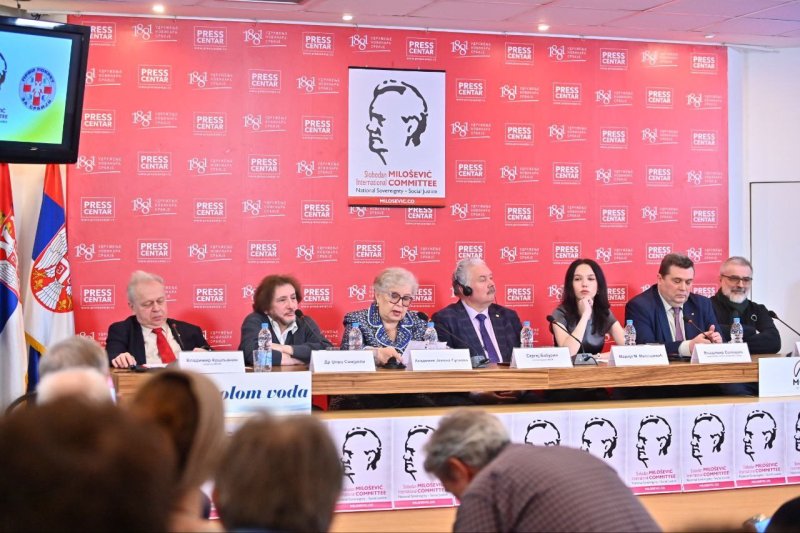
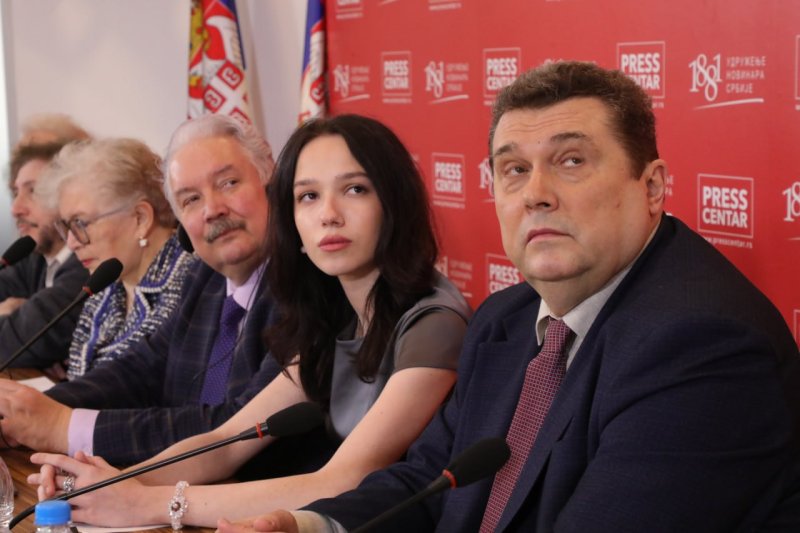
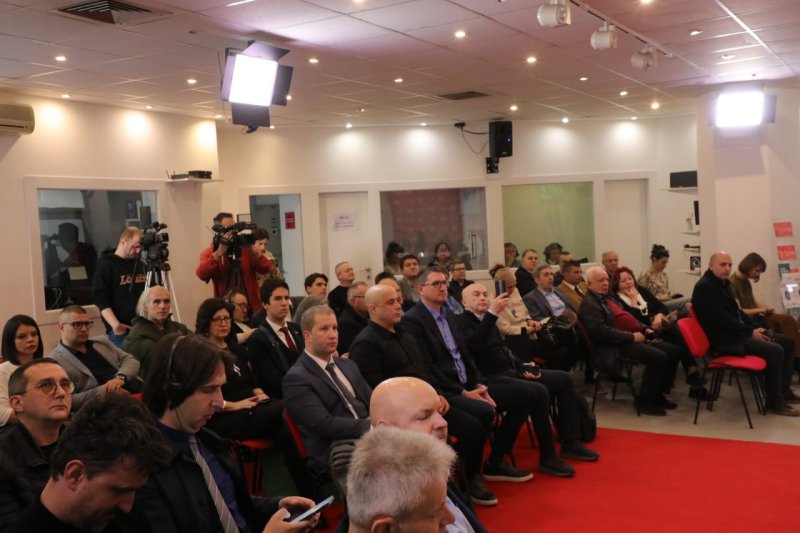
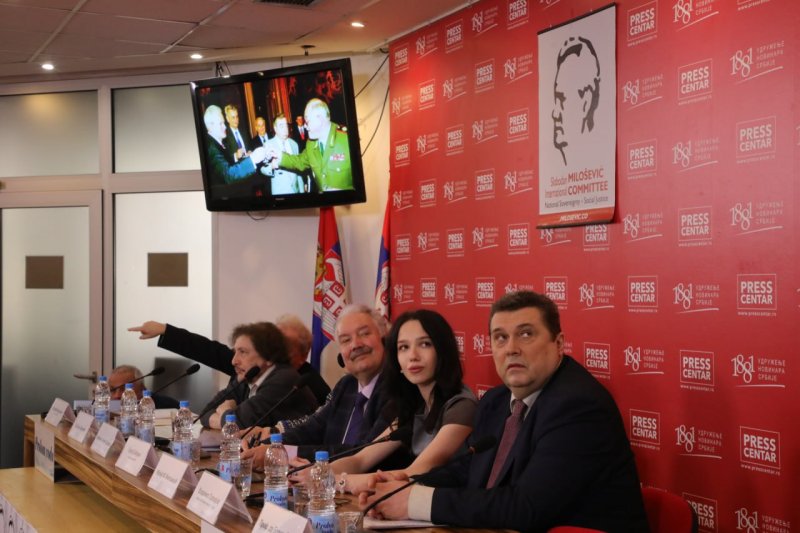
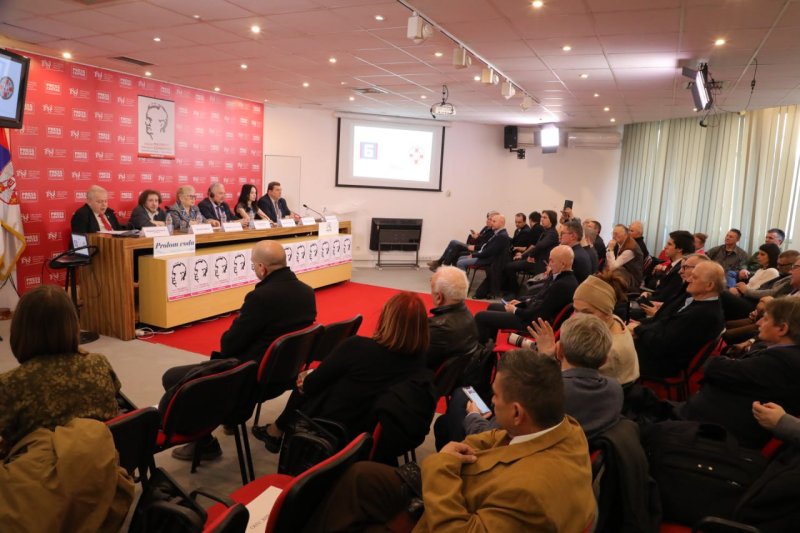
On the occasion of the twenty years since the death of the President of Serbia and the Federal Republic of Yugoslavia, Slobodan Milošević, a memorial event – international roundtable entitled “Slobodan Milošević, Free Serbia and the New World” was held in Belgrade. The meeting was organized by the Slobodan Milošević International Committee, the Serbian-Russian Brotherhood and the First Movement for Serbia.
The participants of the meeting pointed out the importance of an active attitude towards Milošević’s significant historical legacy from a time distance of several decades, emphasizing that the events of the last decade of the twentieth century can now be viewed in a broader geopolitical context. According to the speakers, the collapse of Yugoslavia and the events in Serbia in the 1990s were part of deeper global processes that followed the end of the Cold War and the change in the balance of power in the world.
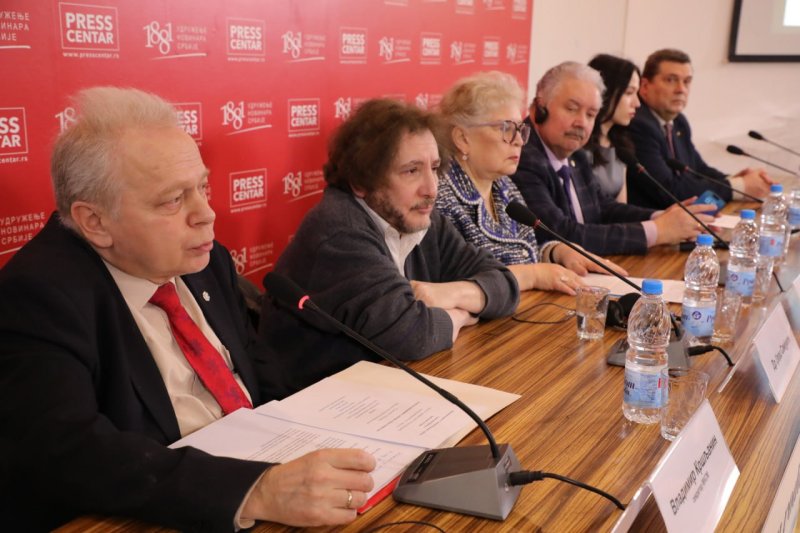
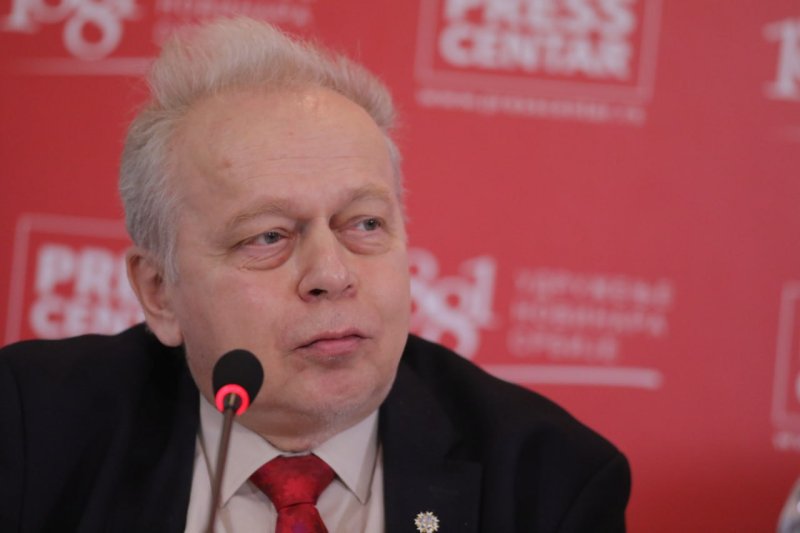
The opening address at the conference was given by Ambassador Vladimir Kršljanin, Secretary of the Slobodan Milošević International Committee.
He emphasized that Slobodan Milošević is “one of the most significant figures in Serbian history, the “new Lazar”, a man who brought Serbia back into history with a big bang and gained immense reputation in the world as a “symbol of anti-globalism”, a leader of the people’s resistance against Western aggression, an inspirer of the new course of Russia and China, an initiator of the state alliance with Russia and Belarus, a hero and a martyr.”
The conference paid special attention to the analysis of the mechanisms of political pressure and media campaigns that, as the participants pointed out, were used against Serbia in the 1990s. The speakers assessed that many methods of political action that were later used in other parts of the world, including various forms of political protests and changes of power, were first applied in Yugoslavia.
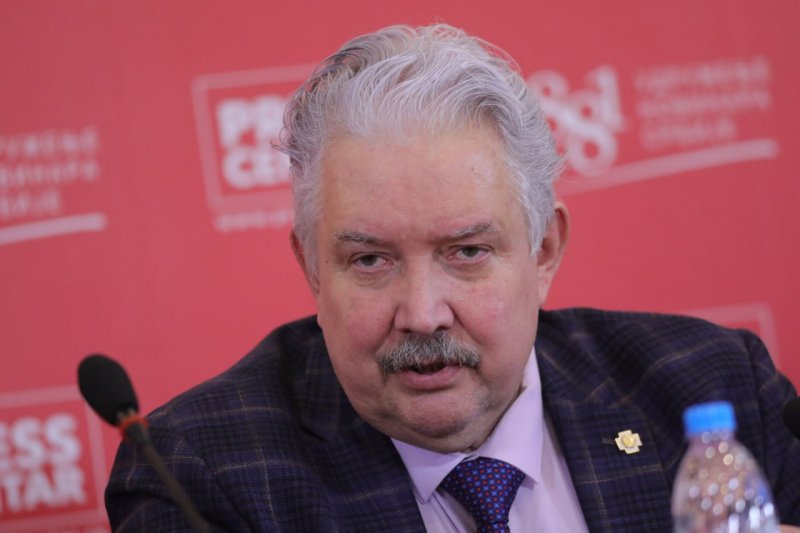
Sergey Baburin, co-chair of the Slobodan Milošević International Committee, emphasized that Slobodan was a leading statesman of Serbia and Yugoslavia and a great Serbian patriot. We must leave the truth as a legacy to our descendants, he emphasized and indicated that, in his opinion, Yugoslavia became one of the first victims of the new unipolar world order that emerged after the collapse of the Soviet Union. He assessed that the political pressures, sanctions and military interventions that accompanied the collapse of Yugoslavia were part of a broader strategy of reshaping international relations.
The truth about Slobodan Milošević is important for the spiritual and moral revival of not only the Serbian, but also other Slavic peoples, as a minimum, Baburin emphasized in the end, adding that we must understand that Slobodan was the embodiment of personal heroism and statesmanship – he knew that Yugoslavia could not defeat NATO in the war, but he categorically refused to surrender and decided “We will fight.” May his memory be bright!
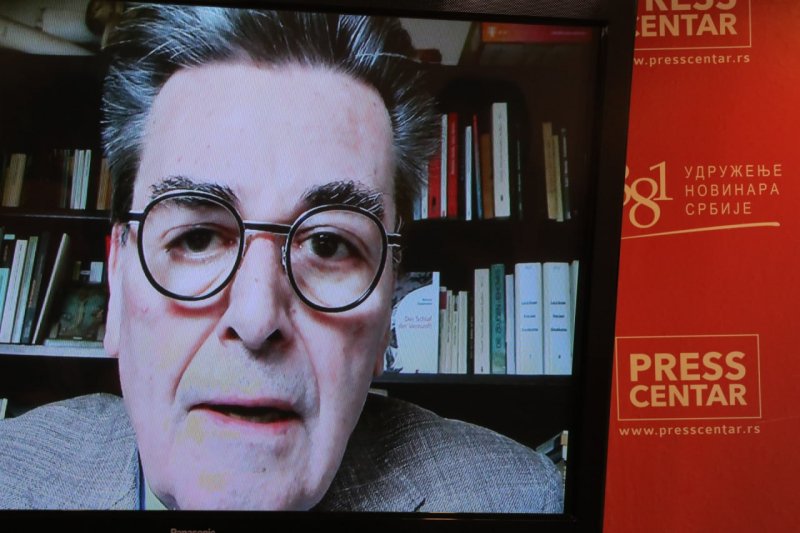
The another co-chair of the International Committee, Klaus Hartmann, who appeared online, analyzed in detail the aggressive actions of Western countries in recent years and months, the implementation of which began on our soil, and concluded: “Let us preserve the achievements and legacy of our friend and comrade, the great Slobodan Milošević: Let us defend freedom and national sovereignty, solidarity with all anti-imperialists and fighters for liberation and independence, friendship with Russia and China!”
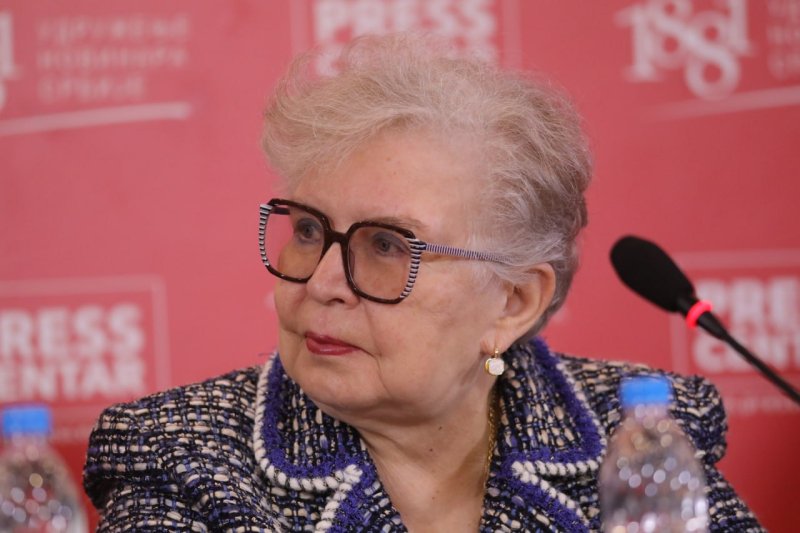
“The political portrait of Slobodan Milošević has yet to be written,” stated academician Elena Guskova at the beginning of her presentation. Milošević was the only Slavic leader of that time who resisted the dictates of the West, she emphasized, analyzing in detail all the key events of that time in which he played a major role.
Finally, in The Hague, in her words, “the entire country followed the trial and the entire country was united in the opinion that he bravely, stoically and selflessly defended the honor and dignity of the Serbian people and the historical truth. And we thank him today for what he did and has done for his country!”
Russian journalist and president of the Union of Journalists of Russia Vladimir Solovyov spoke about the experiences of reporting from the Balkans in the 1990s. He recalled that as a war reporter he reported from the region during the most difficult periods of the conflict and added that at that time there was a strong media struggle over the interpretation of events.
Solovyov emphasized that enough time has passed to analyze many events without the direct political pressure that existed during the 1990s. According to him, historical distance allows for a better understanding of the complex circumstances in which political decisions were made at that time.
“Today, as the world descends once again into global conflict, we must remember the lessons of the Serbian Golgotha. The free Serbia that Milosevic and his supporters dreamed of still exists — in the memory of the people, in the Serbian temples in Kosovo, and in the stubbornness with which Belgrade refuses to impose sanctions on Moscow. And while that is the case, the figure of Slobodan Milosevic will stand in the way of those who are trying to rewrite history in favor of the “new world order,” Solovyov concluded.
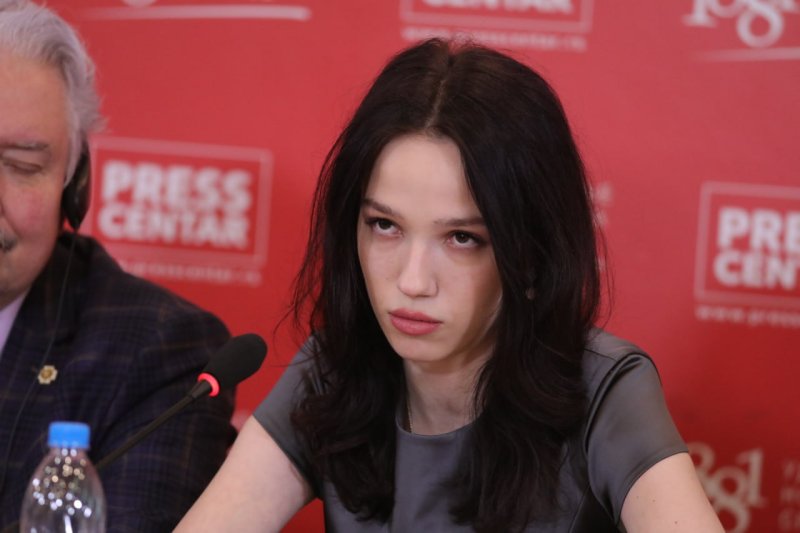
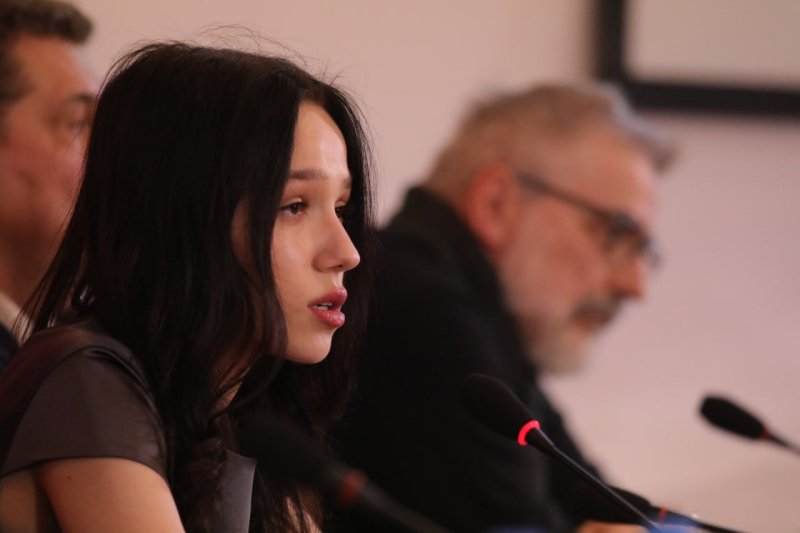
Slobodan Milosevic’s granddaughter, Marija M. Milosevic, who also addressed the audience, spoke about the warnings that, as she stated, her grandfather had issued. She pointed out that many of these warnings, in her opinion, have become visible today in political and social processes in the world.
According to her, Milošević warned of the danger of losing national identity, tradition and spiritual values, emphasizing that such processes could affect the Serbian people in the future. She assessed that today we can observe the phenomena that, as she stated, her grandfather had predicted.
Speaking about the broader political context, Milosevic pointed out that, in her opinion, Yugoslavia was one of the first examples of political processes that were later seen in other countries, such as Iraq, Libya and today Iran. She added that Milošević, as she stated, warned of such geopolitical changes and that he remained a symbol of the struggle for freedom, justice and the interests of his own state.
She also emphasized the importance of preserving historical memory, emphasizing that it represents an important source of strength for the people. At the same time, she pointed out that the younger generations, as she said, often have little interest in events from the recent past, including those from the 1990s.
In her opinion, young people are often exposed to various forms of media and cultural influence, which is why it is important to pay more attention to education and understanding historical processes. She added that in the modern world, certain values are presented as universal and progressive, while states that do not accept them are often portrayed as backward, which raises numerous questions about the nature of modern international relations.
Dr. George Szamuely recalled that Slobodan Milosevic was kidnapped, much like Maduro today, but that in The Hague he bravely defended the honor of Yugoslavia and the Serbian people and explained to the world the essence of the post-Cold War unipolar world. He also exposed the dishonest Western “diplomacy” that preceded the breakup of Yugoslavia, which we then saw in other crises in the world, in the examples of the “Badenter Commission”, the “Rambouillet Agreement” and other deceptions, staged as a justification for pre-planned violent actions. We see the latest example of such behavior in the aggression against Iran. But the Serbs, “led by one of the greatest political geniuses of our era, Slobodan Milosevic”, knew exactly what the Western plan was.
And the Hague Tribunal, which was a mockery of international law with the same goal – to justify Western aggression, incompetently dealt with Milosevic’s courage and qualities. By his example, he showed that people can sacrifice themselves, with courage and heroism, to restore the freedom and dignity of their people and inspire others – that is what you need to do to defend the freedom and integrity of your people, concluded Szamuely.
Professor of the Faculty of Law in Belgrade Branko Rakić spoke in detail about the way in which Slobodan Milosevic was killed in The Hague. He described numerous, dubious and controversial decisions that systematically and sophisticatedly damaged Milosevic’s health.
Rakić also spoke about the conditions in which Milosevic was held in custody, addressing the issue of his health and the way he was treated during the trial. According to him, during the trial, questions were repeatedly raised about whether the former president’s health was adequately treated and whether the conditions in detention could have further jeopardized his condition. He emphasized that these circumstances are still being debated in legal and academic circles today. In the end, Rakić pointed to Milošević’s human qualities – kindness and nobility – in contrast to the terrible machinery deployed against him.
The conclusions, proposed by Vladimir Kršljanin at the end of the meeting, state, among other things, that:
“We live in Serbia, whose statehood, faith, tradition and glory were reborn under the leadership of Slobodan Milošević.
Twenty years is more than enough. Serbia must wake up from its artificial coma and return to the most glorious pages of its history. Let this twentieth anniversary be an occasion for us to break the silence about our and his accomplishments from the end of the 20th century, to equally celebrate our greatest historical accomplishments in the 20th century – the liberation struggle in the First and Second World Wars and the 90s, and to step more courageously into the New, more just world, for which we have made so many sacrifices, shoulder to shoulder with our Russian brothers, whose new great victory is approaching.
Slobodan should get boulevards and streets, monuments, a museum. He must enter school curricula and textbooks, scientific research. All his books and interviews, all Hague transcripts must be republished. All Hague archives and archives of the 90s should be secured for the future by establishing a special foundation.
Serbia should initiate proceedings before the International Court of Justice for war reparations from NATO countries. The fact that the USA has suspended funding for the International Residual Mechanism for Criminal Tribunals should be used as an occasion for an initiative in the Security Council to annul all judgments of the Hague Tribunal. Criminal proceedings should be initiated against all persons responsible for the unconstitutional extradition of Slobodan Milosevic to the tribunal, as well as against all those in the tribunal who are responsible for his death.
We need to complete the most important historical undertaking of the Serbian people, which Slobodan began – entering into the Union State with Russia and Belarus, which will enable Serbia to achieve complete liberation and unification and a secure future in the New World, in community also with China, the BRICS and the World Majority. A free Serbia will have peoples’ unity, parliamentary democracy, national sovereignty and social justice. It will also be the center of the creation of a new Balkan alliance and new relations in Europe.
We need to continue the great Serbian history and the great work of Slobodan Milosevic!